Comprehending the Perks of Red Wiggler Composting: Exactly How This Efficient Technique Changes Organic Waste Into Nutrient-Rich Dirt Amendments
Red Wiggler composting, utilizing the types Eisenia fetida, presents an engaging strategy to natural waste administration, converting kitchen area scraps and lawn debris right into important dirt changes. This method not only enhances soil fertility yet also addresses pressing environmental issues, consisting of garbage dump waste decrease and greenhouse gas discharges. As we discover the ins and outs of this process, the diverse benefits it offers might reveal unanticipated insights into lasting methods and ecological balance. Understanding these dimensions might trigger a reevaluation of exactly how we view waste and its prospective payments to a much healthier planet.
What Are Red Wigglers?
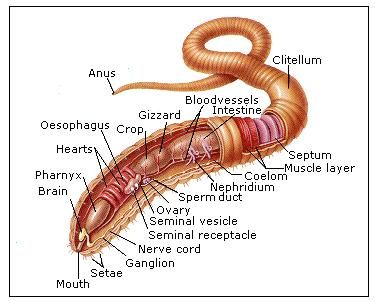
Red wigglers, scientifically called Eisenia fetida, are a varieties of earthworm that play a critical role in vermicomposting systems. These worms are characterized by their reddish-brown shade, fractional bodies, and a distinct ability to prosper in organic-rich settings, making them ideal for composting applications - Red Wiggler Composting. Unlike their garden-dwelling equivalents, red wigglers choose to inhabit the upper layers of dirt, where decomposing matter is plentiful
Usually measuring between 3 to 4 inches in length, red wigglers have a high reproductive price, allowing them to multiply swiftly under ideal problems. They have an one-of-a-kind gastrointestinal system that allows them to refine natural waste efficiently, converting it into nutrient-rich spreadings, which are extremely useful for plant development.
Their tolerance to varying wetness levels and temperature varies further improves their energy in vermicomposting arrangements, making them a popular option among composting lovers. In addition, red wigglers are aerobic organisms, which necessitates a well-aerated composting setting, guaranteeing efficient decomposition. Recognizing the organic characteristics and behaviors of red wigglers is essential for optimizing their use in lasting waste management techniques.
Benefits of Vermicomposting
Harnessing the power of vermicomposting deals a wide range of farming and environmental advantages. Firstly, it substantially reduces organic waste in land fills, thereby reducing methane discharges, a powerful greenhouse gas. By diverting food scraps and lawn waste to vermicomposting, we sustain an even more sustainable waste monitoring system.
Additionally, vermicomposting boosts soil health and wellness. The spreadings generated by red wigglers are rich in necessary nutrients, microbes, and enzymes, enhancing soil structure and fertility. This nutrient-rich change promotes durable plant growth and enhances water retention, decreasing the requirement for chemical plant foods.
Additionally, vermicomposting fosters biodiversity in the soil ecosystem. The intro of useful bacteria from worm spreadings aids in illness reductions and nutrient biking, producing a healthier environment for plants.
Economically, vermicomposting decreases the expenses related to chemical inputs and garbage disposal. Farmers and gardeners can grow high-grade produce at lower costs, adding to food security and sustainability.
How to Beginning Composting
Beginning a try this web-site composting endeavor can be a uncomplicated and fulfilling process. To begin, select an appropriate place that is well-drained and obtains partial sunshine. This will assist preserve a balanced temperature, essential for the composting procedure. Next off, select a garden compost bin or develop an assigned location in your yard, guaranteeing it is quickly obtainable for including products and harvesting garden compost.
Collect organic products such as kitchen scraps, lawn waste, and shredded paper. Go for a well balanced mix of 'eco-friendly' products, high in nitrogen (e.g., fruit scraps, coffee grounds), and 'brownish' materials, rich in carbon (e.g., dried fallen leaves, cardboard) A ratio of approximately 2:1 green to brown materials is excellent.
Start layering your materials, making certain adequate air flow by transforming the pile on a regular basis. This promotes aerobic disintegration, speeding up and reducing smells up the process. Screen wetness levels; the compost needs to really feel like a wet sponge however not excessively damp.
Nutrient Account of Vermicompost
Composting, particularly with red wigglers, generates a nutrient-rich item recognized as vermicompost. In addition, it provides micronutrients like iron, magnesium, and calcium, promoting helpful site robust plant advancement and improving dirt health and wellness.
The microbial task existing in vermicompost additionally enhances its account, introducing helpful germs and fungis that advertise nutrient availability and uptake in plants. This biological part aids in suppressing plant illness and enhancing dirt framework, leading to boosted water retention and oygenation.

Ecological Impact of Composting
The ecological impact of composting, particularly with the use of red wigglers, is profound and multifaceted. This method dramatically lowers the quantity of organic waste sent to garbage dumps, which in turn decreases greenhouse gas discharges, particularly methane-- a powerful contributor to environment adjustment. By diverting organic products from land fills, red wiggler composting not just assists reduce ecological destruction however likewise promotes sustainable waste administration methods.

Furthermore, composting adds to carbon sequestration, as the process records co2 from the atmosphere and stores it in the dirt. This all-natural process help in combating climate adjustment while enriching the dirt - Red Wiggler Composting. Overall, red wiggler composting provides a feasible, environmentally friendly remedy for waste monitoring and ecological sustainability, promoting much healthier ecosystems and a more sustainable future
Conclusion
In final thought, Red Wiggler composting serves as an efficient method for Click Here converting organic waste right into valuable soil modifications. The process not just enhances dirt fertility and framework however also reduces ecological concerns linked with waste disposal.
Red Wiggler composting, utilizing the varieties Eisenia fetida, provides an engaging approach to organic waste management, converting kitchen scraps and backyard particles right into valuable soil changes. Unlike their garden-dwelling equivalents, red wigglers choose to live in the top layers of soil, where decomposing issue is bountiful.
The castings created by red wigglers are abundant in vital nutrients, germs, and enzymes, improving dirt framework and fertility. The nutrient-rich results of red wiggler activity enhance dirt framework, rise water retention, and advertise biodiversity within the dirt community.In final thought, Red Wiggler composting offers as an efficient method for transforming natural waste right into beneficial dirt changes.
Comments on “Essential Overview to Red Wiggler Composting: Tips for a Growing Worm Farm”